Timing
Morn: 11.00am to 1.30pm
Eve: 6.30pm to 9.30pm


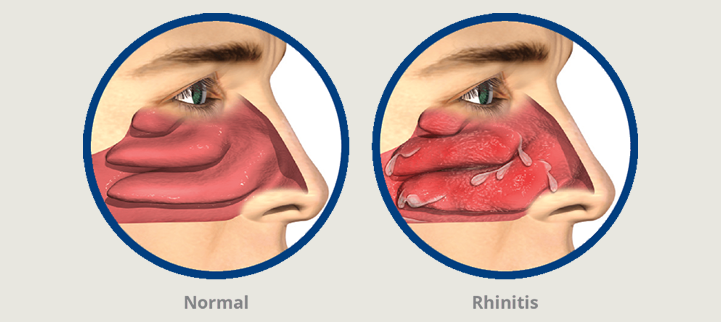
Allergic rhinitis is a common allergic condition that affects the nose and upper respiratory system. It occurs when the immune system overreacts to harmless substances in the environment, known as allergens. Common allergens include pollen, dust mites, mold spores, and animal dander. When a person with allergic rhinitis inhales these allergens, the body releases chemicals such as histamine, which lead to inflammation and irritation of the nasal passages.
Typical symptoms of allergic rhinitis include frequent sneezing, a runny or blocked nose, itchy nose, throat, or eyes, and watery or red eyes. Some people may also experience headaches, fatigue, or difficulty concentrating due to ongoing discomfort and disturbed sleep. The condition can be seasonal, often called hay fever, when symptoms occur at specific times of the year, or perennial, when symptoms persist throughout the year due to constant exposure to allergens like dust or pet hair.
Although allergic rhinitis is not life-threatening, it can significantly affect daily life, school performance, and overall well-being if left unmanaged. Diagnosis is usually based on symptoms, medical history, and sometimes allergy tests. Treatment focuses on reducing exposure to allergens and controlling symptoms. Common treatments include antihistamines, nasal sprays, and decongestants, which help reduce inflammation and relieve nasal congestion.
Lifestyle measures such as keeping living spaces clean, avoiding known triggers, and using protective measures during high pollen seasons can also help manage the condition. While allergic rhinitis cannot be completely cured, effective treatment and preventive strategies can greatly reduce symptoms and improve quality of life. With proper care, individuals with allergic rhinitis can lead comfortable and productive lives.
Expert homeopathic care for complex, chronic conditions with lasting healing.
Copyright © 2026 Dr Stuti's Advanced Homeopathic Clinic | All Rights Reserved.